Netherlands
Amsterdam
6 landmarks1 UNESCO
The Venice of the North — a UNESCO World Heritage canal ring, the Rijksmuseum, Anne Frank House, Van Gogh Museum, and a city built on a million wooden piles.
Landmarks
0 / 6 visited
 Must-seeMuseum
Rijksmuseum
The national museum of the Netherlands, housing the world's greatest collection of Dutch Golden Age art. Rembrandt's 'Night Watch', Vermeer's 'The Milkmaid', and 8,000 other masterpieces are displayed across the magnificent 1885 Cuypers building. The most visited museum in the Netherlands.
 Must-seeUNESCOWorld Heritage
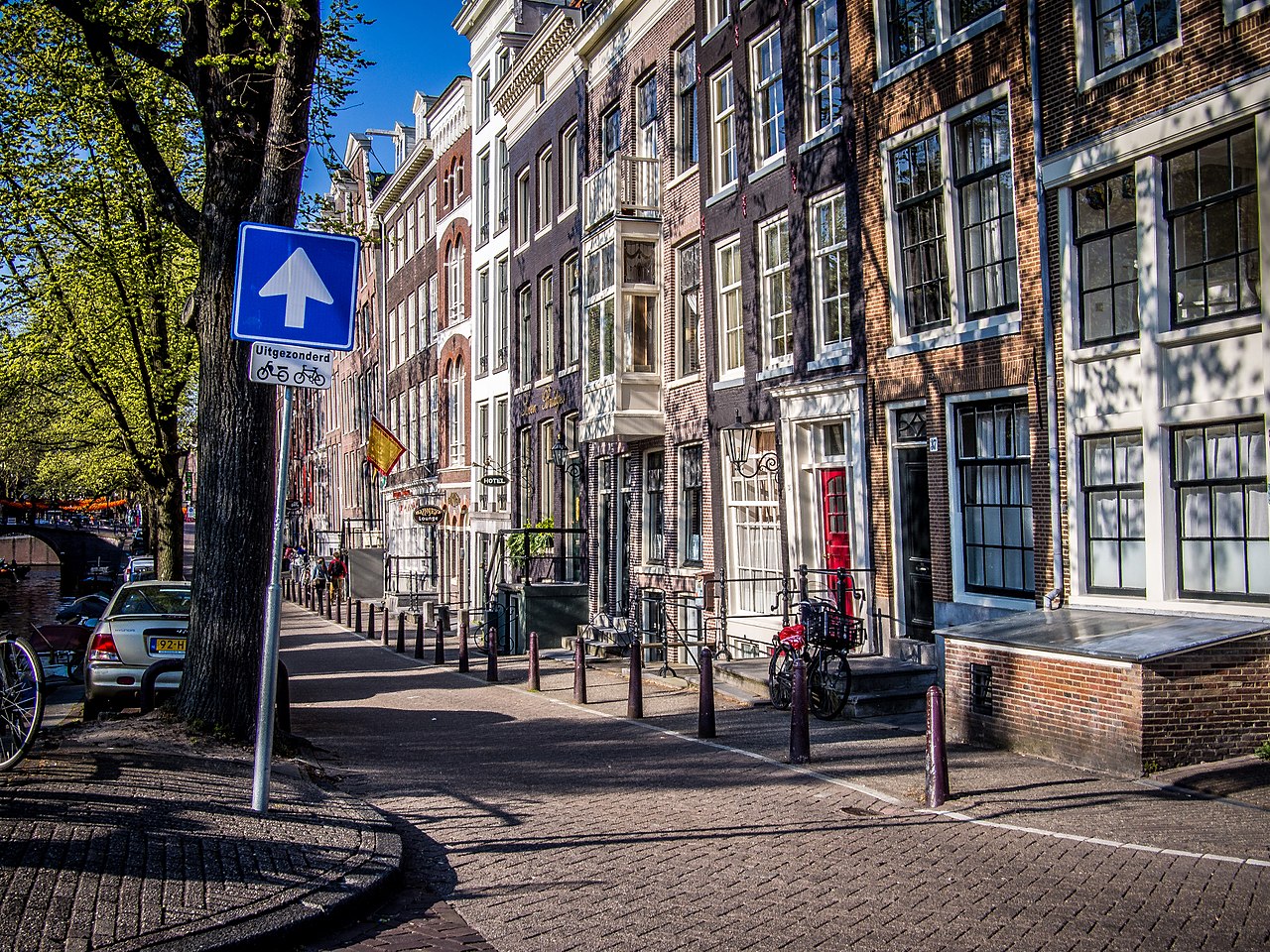
Amsterdam Canal Ring
Amsterdam's 17th-century canal ring — 165 canals, 1,500 bridges, and over 1,500 gabled merchant houses — is a UNESCO World Heritage Site. Laid out during the Dutch Golden Age as a planned urban expansion, the concentric canal system remains one of the finest examples of urban planning in the world.
 Must-seeMuseum
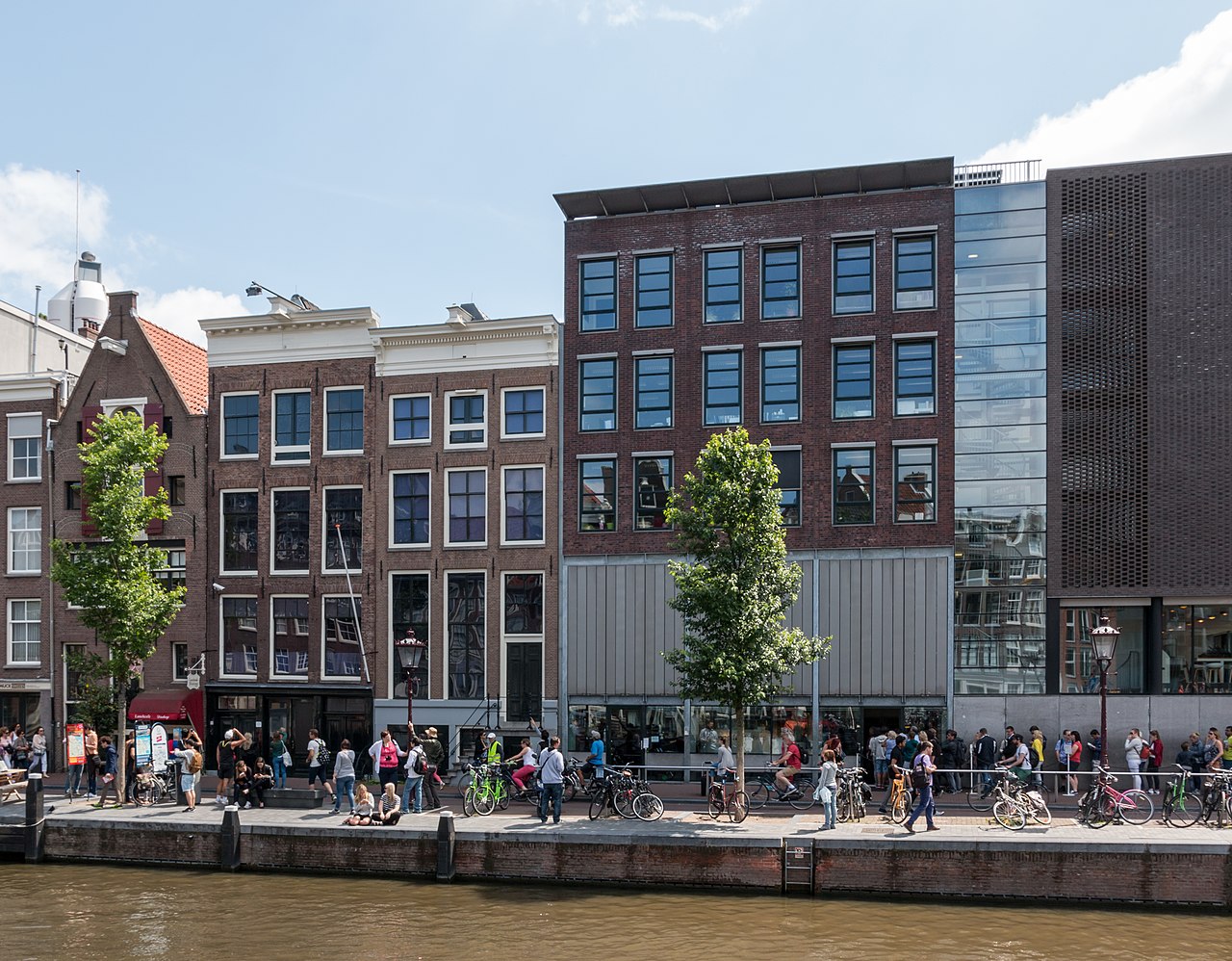
Anne Frank House
The actual Secret Annexe where Anne Frank and her family hid from the Nazis for two years before their arrest in 1944. Now a museum with Anne's original diary on display, it is one of the most visited and deeply moving sites in Europe — a powerful testament to the Holocaust and Anne's enduring hope.
 Must-seeMuseum
Van Gogh Museum
The world's largest collection of Van Gogh's works — 200 paintings, 500 drawings, and 700 letters. Organized chronologically through his brief but intense 10-year career, the museum makes the progression from his dark early Dutch works to the blazing color and energy of his Arles period unforgettable.
 Local Icon
Jordaan
Amsterdam's most charming and sought-after neighborhood — a 17th-century working-class district now filled with independent galleries, antique shops, cozy 'brown cafes', and the floating flower market. The Jordaan's narrow streets and intimate courtyards (hofjes) capture the essence of Amsterdam.
 Scenic View
Vondelpark
Amsterdam's most beloved park, opened in 1865 and stretching 47 hectares in the heart of the city. Vondelpark is the social hub of Amsterdam — cyclists, skaters, sunbathers, and families gather around the lakes and lawns, while the open-air theater hosts free summer concerts.