Japan
Kyoto
11 landmarks5 UNESCO
Japan's ancient imperial capital — 1,200 years of temples, shrines, gardens, and traditional culture.
Landmarks
0 / 11 visited
 Must-seeUNESCOWorld Heritage
Kinkaku-ji (Golden Pavilion)
A Zen temple whose top two floors are covered in gold leaf, perfectly reflected in the surrounding pond. One of Japan's most photographed and iconic landmarks.
 Must-seeReligious Site
Fushimi Inari Taisha
Thousands of vermilion torii gates wind up a mountain trail. The head shrine of Inari — deity of foxes, rice, and business. Japan's most visited shrine.
 Must-seeUNESCOWorld Heritage
Kiyomizu-dera
A wooden stage juts dramatically from the main hall, offering sweeping views over Kyoto. Built in 778 AD — its structure uses no nails. 'Taking the stage' means committing to a bold decision.
 Must-seeUNESCOWorld Heritage
Ryoan-ji
Home to Japan's most famous rock garden — 15 stones arranged so that only 14 are visible from any angle. The meaning of the arrangement remains a subject of debate.
 Must-seeScenic View
Arashiyama Bamboo Grove
A towering grove of bamboo where the wind creates an eerie rustling sound. One of Japan's most surreal and photographed natural landscapes, especially at dawn.
 UNESCOWorld Heritage
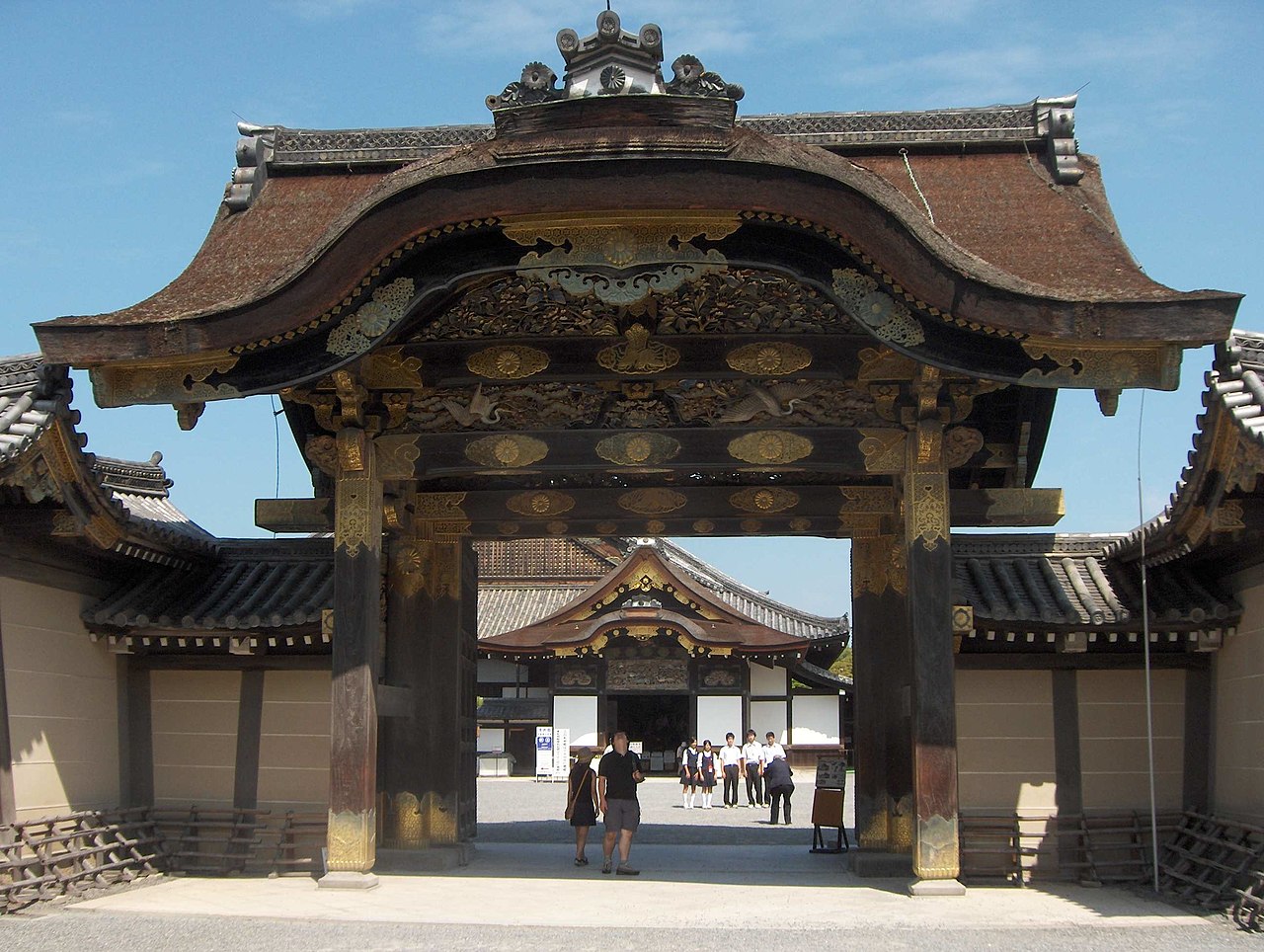
Nijo Castle
Built by Tokugawa Ieyasu in 1603, the castle has 'nightingale floors' that squeak to alert against intruders. The site where the shogunate ended in 1867.
 Local Icon
Gion District
Kyoto's most famous geisha district — preserved wooden machiya townhouses, stone-paved Hanamikoji lane, and the rare chance to glimpse a geiko or maiko at dusk.
 UNESCOWorld Heritage
Tenryu-ji
A top Zen temple in Arashiyama, ranked first among Kyoto's five great Zen temples. Its garden — one of Japan's oldest surviving Zen gardens — frames the Arashiyama mountains.
 Scenic View
Philosopher's Path
A 2km stone path along a canal lined with hundreds of cherry trees. Named after philosopher Nishida Kitaro who walked it daily. Best at cherry blossom and autumn seasons.
 Religious Site
Heian Shrine
Built in 1895 to mark Kyoto's 1100th anniversary. Its massive vermilion torii gate and spacious strolling garden — with a famous cherry blossom bridge — draw visitors year-round.
 Local Icon
Nishiki Market
A narrow 400m covered arcade known as 'Kyoto's Kitchen' — over 100 stalls selling fresh tofu, pickles, skewered foods, and Kyoto specialties since the Heian period.