Turkey
Istanbul
8 landmarks3 UNESCO
The city where East meets West — 2,500 years of Byzantine, Ottoman, and modern history spanning two continents.
Landmarks
0 / 8 visited
 Must-seeUNESCOWorld Heritage
Hagia Sophia
Built in 537 AD as the world's largest cathedral for nearly 1,000 years, converted to a mosque in 1453, a museum in 1934, and a mosque again in 2020. Its massive dome remains an engineering wonder.
 Must-seeUNESCOReligious Site
Blue Mosque
Built between 1609–1616, the Blue Mosque is famous for its six minarets and over 20,000 hand-painted Iznik blue tiles covering its interior. The only mosque in Istanbul with six minarets.
 Must-seeUNESCOWorld Heritage
Topkapi Palace
The administrative center of the Ottoman Empire for 400 years. Home to sultans, their harems, and the imperial treasury. Its hilltop gardens offer sweeping views of the Bosphorus.
 Scenic View
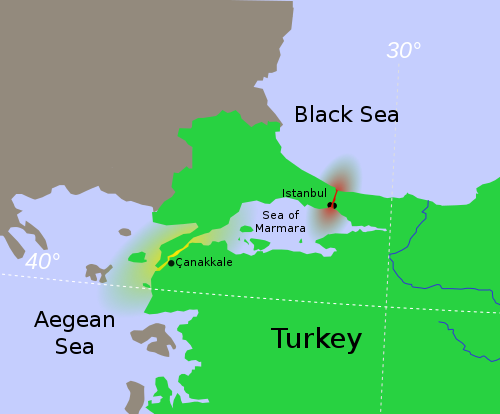
Bosphorus Strait
The narrow strait dividing Europe and Asia, connecting the Black Sea to the Sea of Marmara. A Bosphorus cruise past Ottoman palaces, wooden mansions, and two intercontinental bridges is unmissable.
 Local Icon
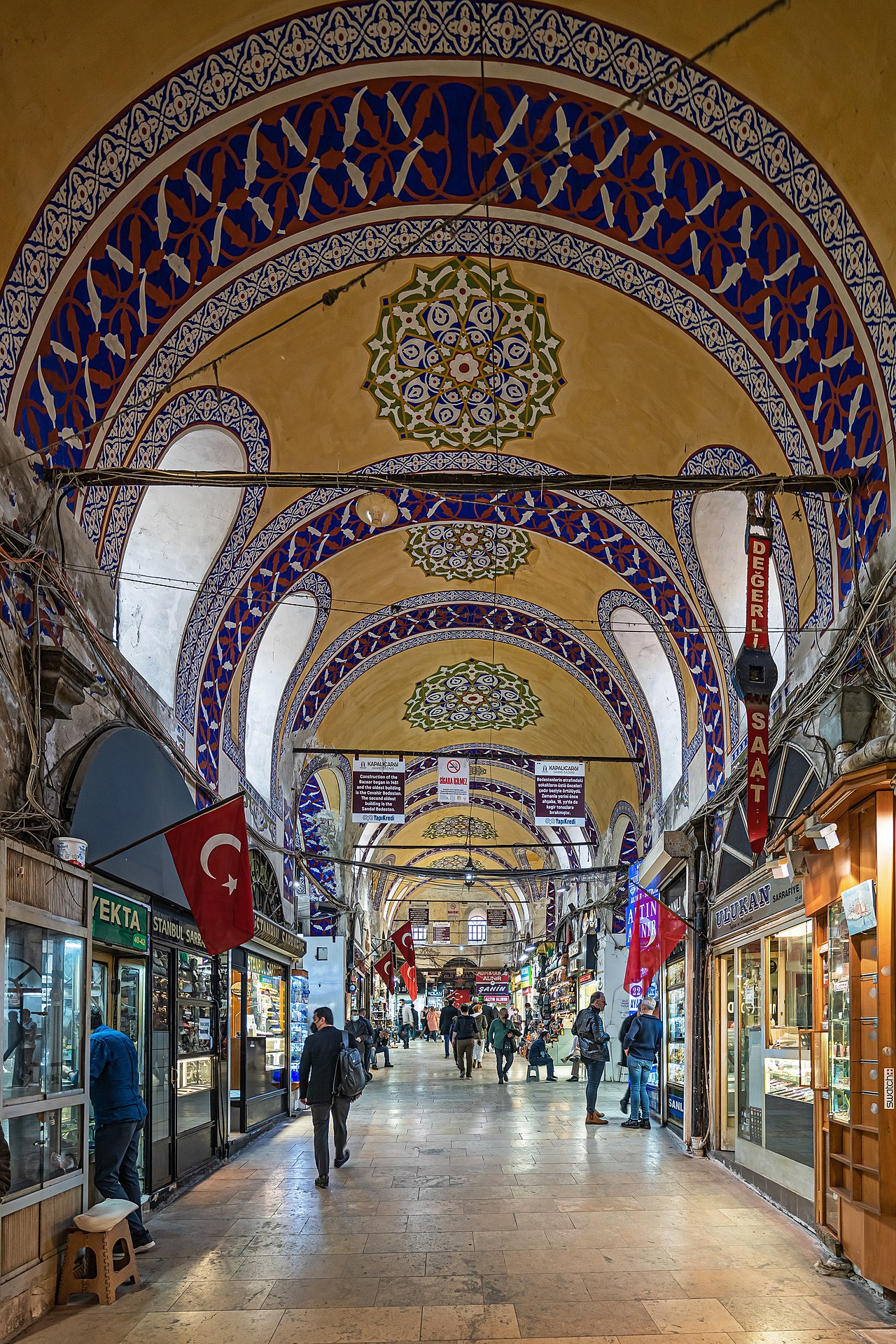
Grand Bazaar
One of the world's oldest and largest covered markets — 61 streets, 4,000 shops, built in 1455. Gold, spices, carpets, ceramics: the bazaar has been the beating heart of Istanbul's commerce for 600 years.
 Historical Architecture
Basilica Cistern
A vast underground cathedral of water built by Emperor Justinian in 532 AD. 336 marble columns support the vaulted ceilings above an eerie underground lake. Two columns rest on inverted Medusa heads.
 Historical Architecture
Galata Tower
A 9th-century stone tower built by Genoese colonists in 1348, offering 360-degree panoramic views over Istanbul, the Golden Horn, and the Bosphorus from its observation deck.
 Historical Architecture
Dolmabahçe Palace
Built in 1856 as the new administrative center of the Ottoman Empire, replacing Topkapı. The palace contains 285 rooms, 44 halls, 6 baths, and the world's largest Bohemian crystal chandelier.