Spain
Barcelona
9 landmarks5 UNESCO
Gaudí's city on the Mediterranean — extraordinary modernist architecture, a vibrant old quarter, and an iconic waterfront.
Landmarks
0 / 9 visited
 Must-seeUNESCOWorld Heritage
Sagrada Família
Antoni Gaudí's unfinished masterpiece, under construction since 1882 and still not complete. A UNESCO World Heritage Site combining Gothic and Art Nouveau forms into something entirely unprecedented. The most visited monument in Spain.
 Must-seeUNESCOWorld Heritage
Park Güell
Gaudí's surreal hilltop garden complex built between 1900 and 1914, featuring colorful mosaic terraces, twisted stone colonnades, and panoramic views over Barcelona and the Mediterranean. UNESCO World Heritage Site.
 UNESCOWorld Heritage
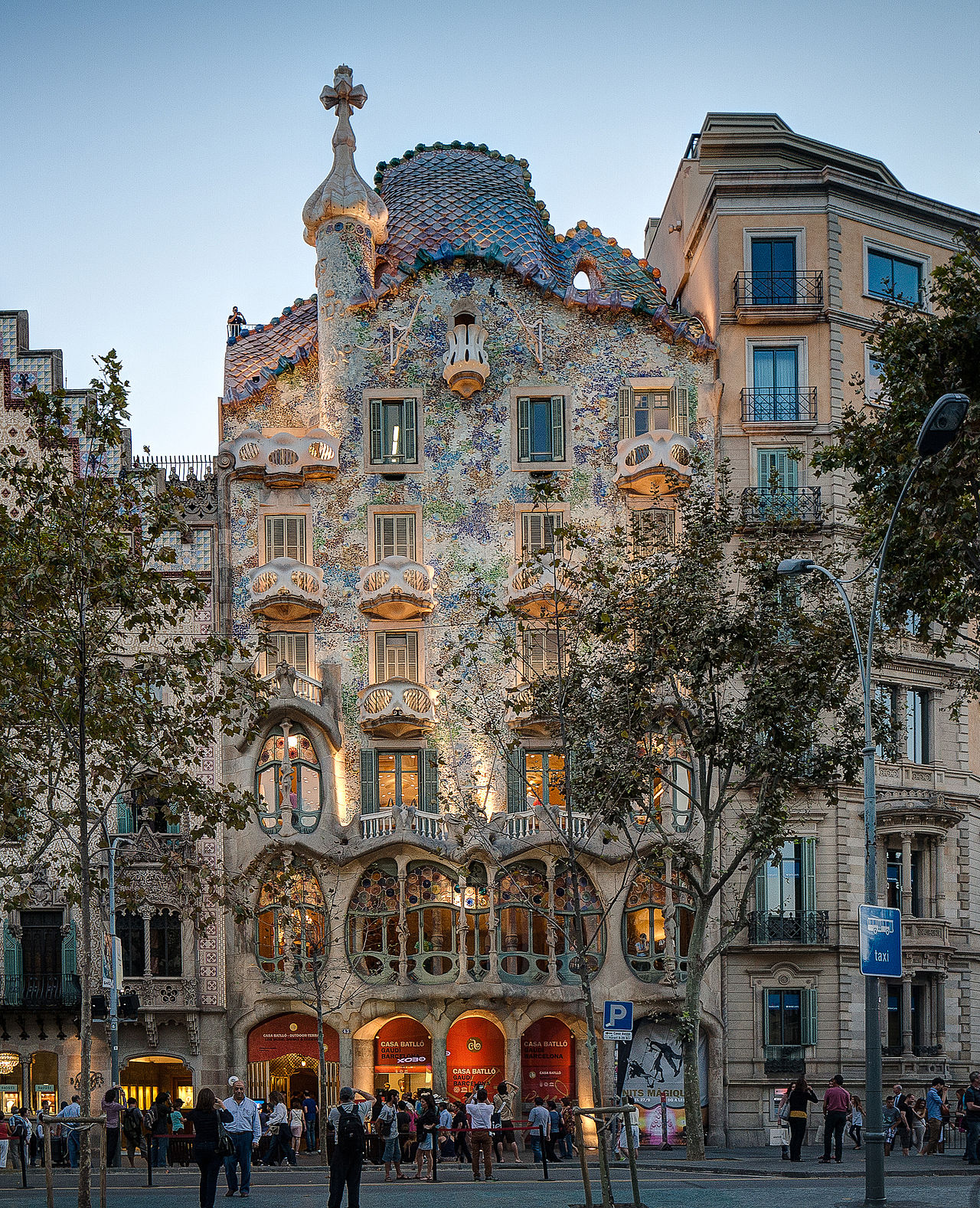
Casa Batlló
One of Gaudí's most celebrated buildings, redesigned in 1904 with a dragon-scale rooftop, bone-like façade columns, and an interior flooded with blue light. Located on Passeig de Gràcia, the 'Block of Discord'. UNESCO World Heritage Site.
 UNESCOWorld Heritage
Casa Milà
Gaudí's last secular work (1912), nicknamed 'La Pedrera' (the quarry) for its irregular stone façade with no straight lines. The rooftop with warrior-like chimney stacks is one of Barcelona's most iconic views. UNESCO World Heritage Site.
 UNESCOWorld Heritage
Palau de la Música Catalana
A spectacular concert hall designed by Lluís Domènech i Montaner (1908) and a UNESCO World Heritage Site. The only modernist concert hall in the world, featuring an extraordinary stained-glass skylight ceiling that floods the hall with natural light.
 Historical Architecture
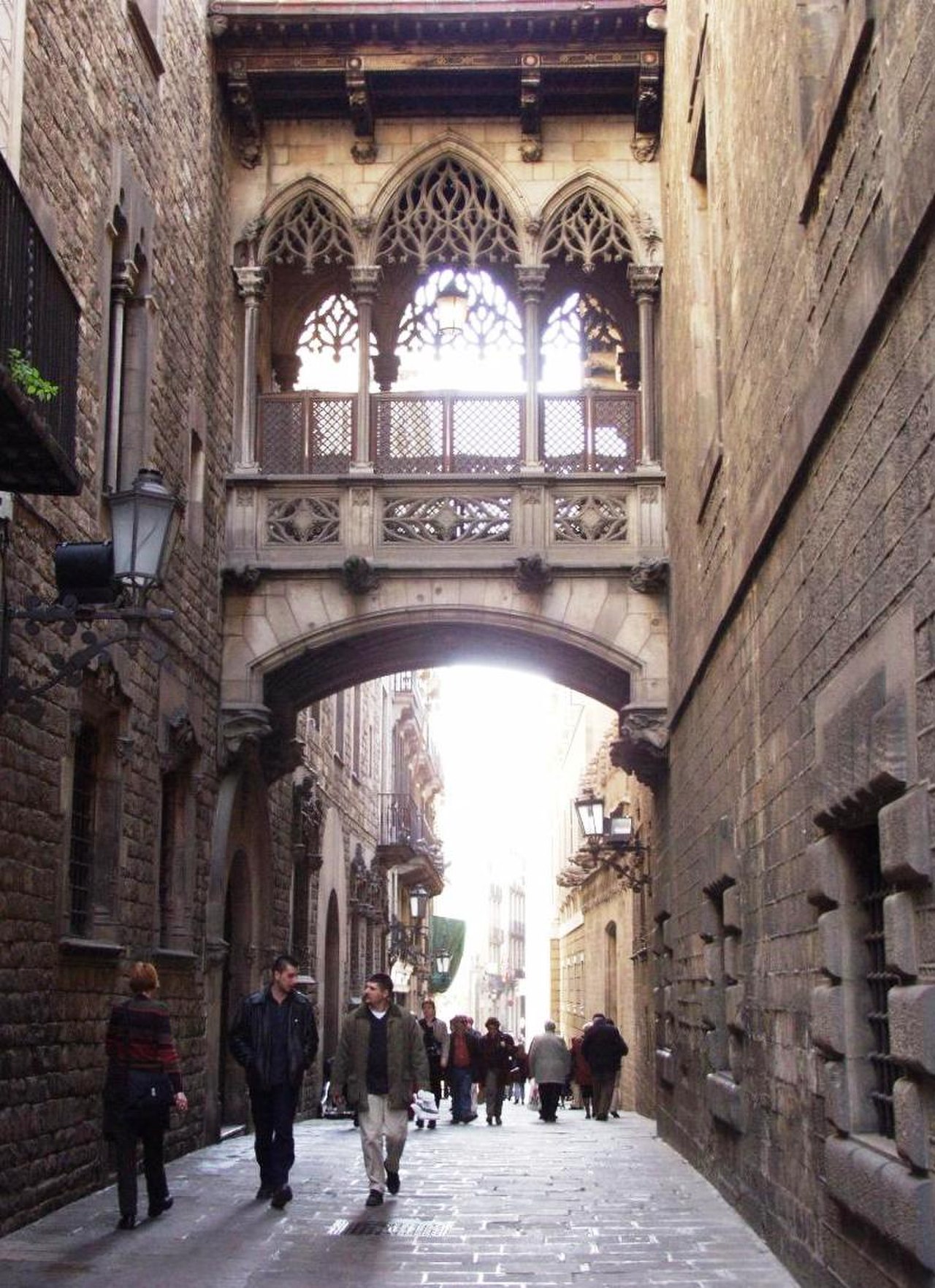
Gothic Quarter
Barcelona's oldest neighborhood, built on top of the original Roman settlement. A dense labyrinth of medieval streets, Gothic churches, and Roman ruins hidden beneath the city, centered on the 14th-century Barcelona Cathedral.
 Local Icon
La Boqueria Market
Barcelona's most famous public market, operating since 1217 on Las Ramblas. A riot of color and smell — fresh seafood, ibérico ham, tropical fruits, and tapas bars. An unmissable sensory experience in the heart of the city.
 Historical Architecture
Montjuïc Castle
A 17th-century hilltop fortress overlooking Barcelona's port and the Mediterranean. A complex site of military history and now a city-owned museum, offering some of the best panoramic views of the entire city.
 City Landmark
Camp Nou
Home of FC Barcelona and the largest stadium in Europe (capacity 99,354). More than a stadium — for Catalans, it is a symbol of cultural identity and pride. The Camp Nou Experience museum is the most visited in Spain.