Italy
Rome
12 landmarks5 UNESCO
The Eternal City — 3,000 years of history, ancient ruins, Renaissance art, and the heart of the Roman Empire.
Landmarks
0 / 12 visited
 Must-seeUNESCOWorld Heritage
Colosseum
The largest amphitheater ever built, completed in 80 AD. Once held 50,000–80,000 spectators for gladiatorial contests. The defining symbol of ancient Rome.
 Must-seeUNESCOReligious Site
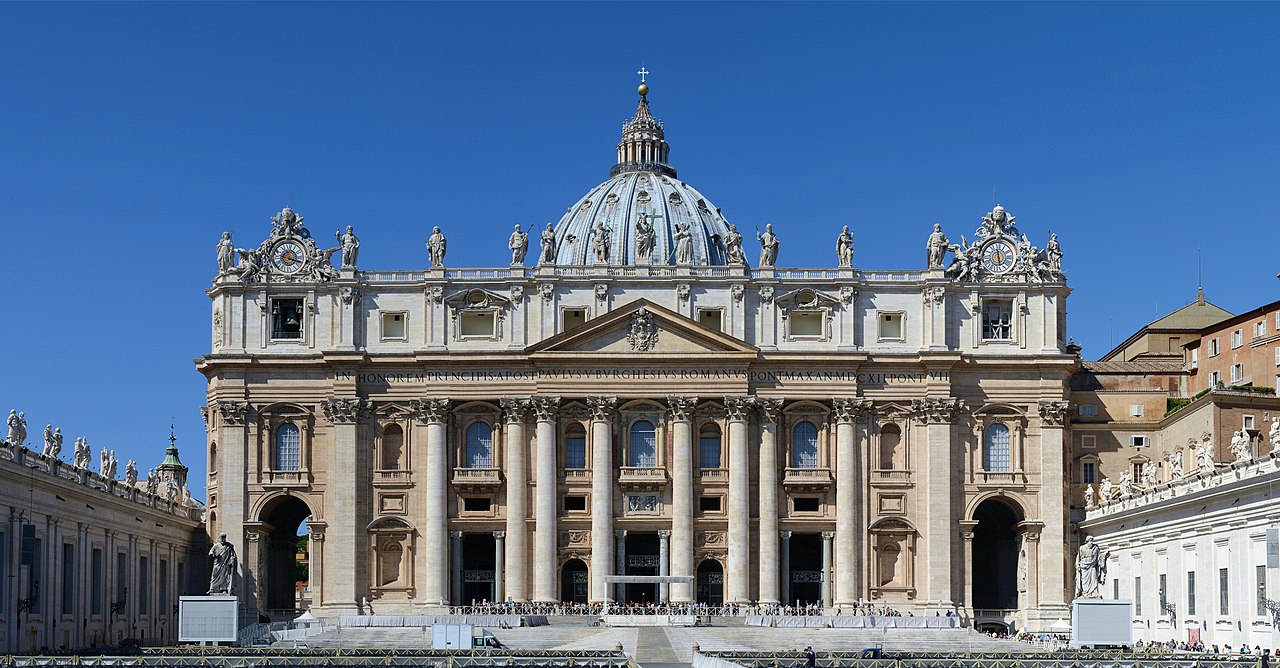
St. Peter's Basilica
The largest church in the world and the center of Catholicism. Michelangelo's dome dominates Rome's skyline. Bernini's colonnade embraces the vast piazza below.
 Must-seeUNESCOMuseum
Sistine Chapel
Michelangelo's ceiling frescoes — including The Creation of Adam — are among the greatest works of art ever made. The official residence of the Pope.
 Must-seeHistorical Architecture
Pantheon
Built around 125 AD, the Pantheon's concrete dome — with its central oculus — remains the world's largest unreinforced concrete dome and an engineering marvel.
 Must-seeUNESCOWorld Heritage
Roman Forum
The center of ancient Roman public life for over a millennium — temples, basilicas, and triumphal arches stand as ruins along the Via Sacra.
 Must-seeCity Landmark
Trevi Fountain
Rome's most famous fountain and the largest Baroque fountain in the city. Tossing a coin ensures a return to Rome — a tradition millions follow each year.
 UNESCOWorld Heritage
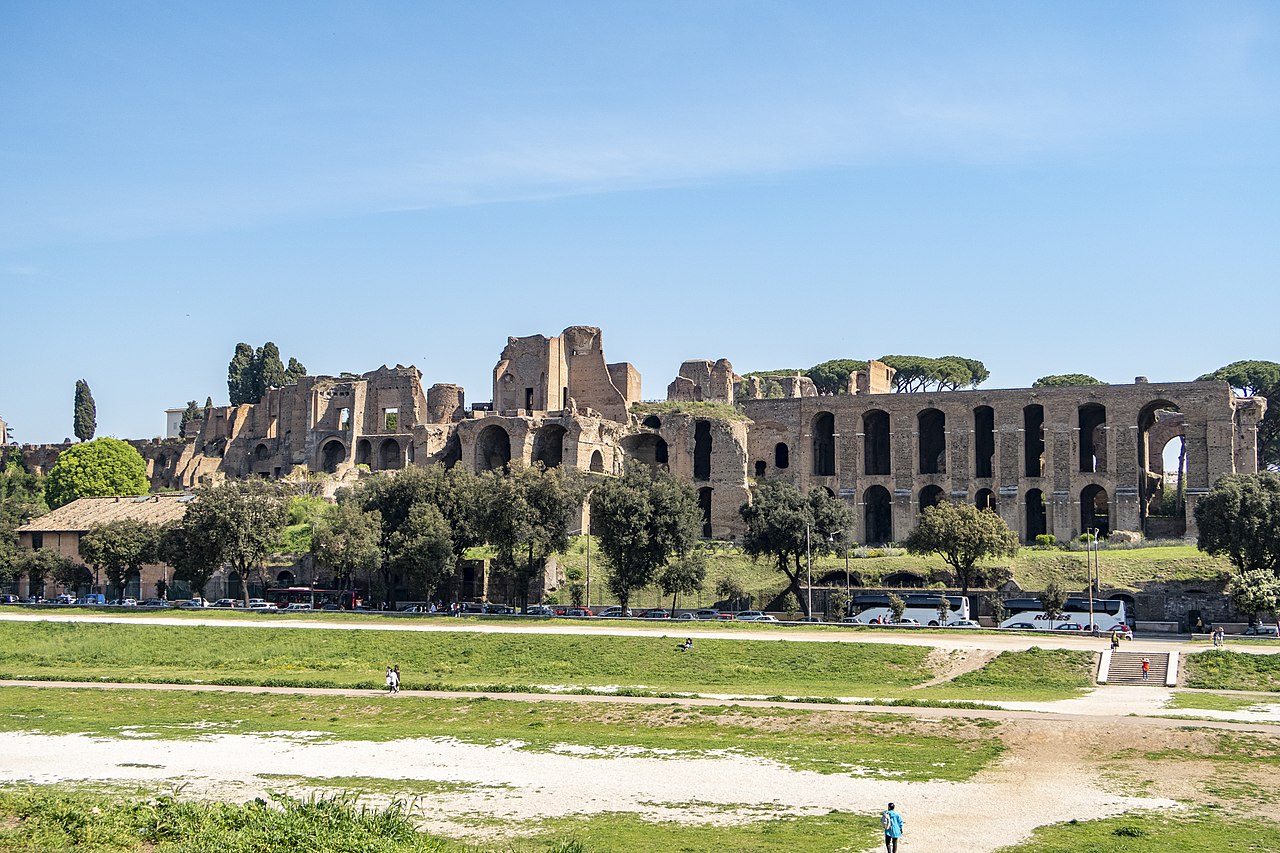
Palatine Hill
The oldest part of Rome and one of the seven hills. Where the emperors built their palaces. Sweeping views over the Forum and Circus Maximus.
 Historical Architecture
Castel Sant'Angelo
Originally built as Emperor Hadrian's mausoleum in 139 AD, later converted into a fortress and papal castle. Offers panoramic views of Rome from its terrace.
 Museum
Borghese Gallery
One of the world's great small museums. Bernini's marble sculptures and Caravaggio's paintings fill an intimate villa in the Villa Borghese gardens.
 Museum
Capitoline Museums
The world's oldest public museums, founded in 1471. Collections span ancient Roman sculpture, Renaissance paintings, and the original bronze Marcus Aurelius equestrian statue.
 City Landmark
Piazza Navona
Rome's most elegant Baroque piazza, built on the site of an ancient stadium. Three fountains by Bernini and Borromini's Sant'Agnese church line the square.
 Local Icon
Campo de' Fiori
A lively open-air market by day and a popular gathering spot by night. The statue of philosopher Giordano Bruno marks where he was burned at the stake in 1600.